Essential Services Offered by Arborists: Protecting Your Trees and Landscape
Arborists serve a vital function in preserving tree health and beautifying outdoor spaces. Their knowledge covers numerous key services, from planting and identifying diseases to skilled pruning and pest control. These professionals not only improve the aesthetic appeal of properties but also contribute to broader environmental goals. Examining the particular methods and practices used by arborists reveals how they protect our green spaces and ensure the longevity of tree populations. What obstacles do these professionals encounter in their daily work?
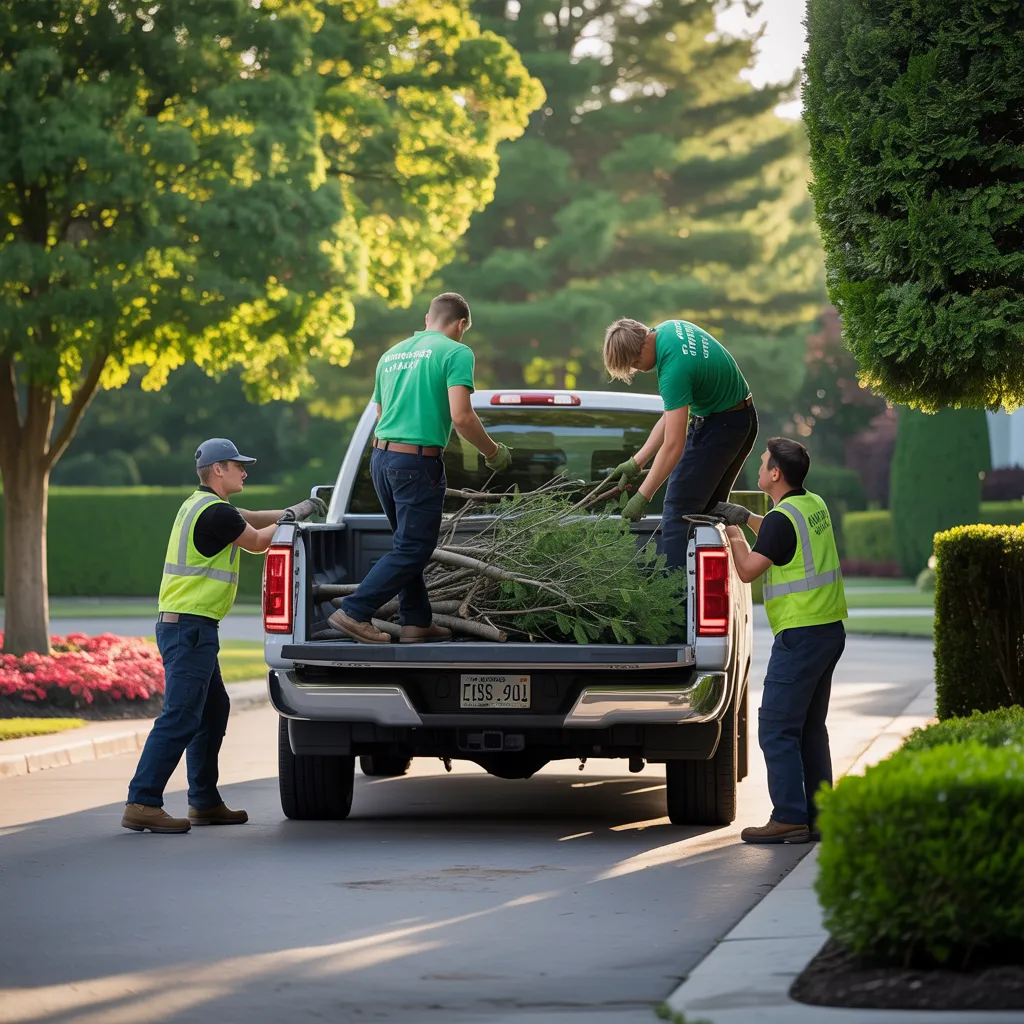
The Vital Role of Arborists in Tree Care
Arborists fulfill a critical role in the health and maintenance of trees, promoting their strength and long life. These skilled experts possess a deep understanding of arboricultural biology and ecology, allowing them to assess the condition of trees accurately. They detect diseases, infestations, and environmental pressures that can compromise tree health. These professionals also deliver important services such as planting trees, identifying issues, and suggesting treatments adapted to individual species and environments.
Furthermore, they instruct property owners about proper tree care techniques and the value of preserving tree health in the yard and property. Arborists often collaborate with local governments and organizations to advance city forestry programs, enhancing biodiversity and improving air quality. Their knowledge not only improves the appearance of homes and businesses but also holds a critical place in sustainability efforts. All things considered, arborists are vital stewards of the tree population, encouraging a harmonious bond between ecosystems and urban expansion.
Techniques for Effective Tree Pruning
Successful tree pruning requires recognizing diverse methods and identifying the best timing for every technique. Various pruning techniques fulfill unique objectives, spanning from boosting development to sustaining tree wellness. Timing plays a vital role, as selecting the correct season can profoundly affect the tree's reaction to pruning activities.
Pruning Method Types
Trimming trees necessitates a careful methodology to ensure vigorous growth and visual appeal. Several pruning techniques fulfill different objectives, each suited to individual scenarios. Thinning entails the deliberate removal find details about of branches to improve light exposure and airflow, supporting general tree vitality. Crown reduction, on the other hand, shortens the height and spread of a tree while maintaining its natural shape, commonly applied to lessen dangers from powerful gusts. Deadheading centers on cutting away withered flowers or deceased branches, fostering new development and lengthening bloom cycles. Finally, rejuvenation pruning is applied to overgrown shrubs, promoting vibrant growth by removing mature wood. Grasping these approaches empowers arborists to efficiently maintain tree health and guarantee a visually appealing landscape.
Optimal Timing For Pruning
When is the best time to prune trees for ideal health and growth? Arborists recommend pruning during the late winter or early spring, immediately prior to the onset of new growth. Such timing reduces stress on the tree while decreasing the likelihood of disease. It supports superior recovery as the tree transitions into its active growing phase. Some tree species can also benefit from summer pruning to control size or eliminate dead wood. However, fall pruning is generally discouraged, as it can expose trees to winter injury. Grasping the particular needs of every tree species is vital for the best possible results. By following these recommendations, tree care professionals ensure trees stay healthy and thriving across their lifespan.
How Arborists Handle Tree Diseases and Pests
Arborists diligently monitor and manage diseases and pest infestations in trees to secure the health and longevity of trees in urban and rural environments. They initiate the process by carrying out comprehensive assessments to detect initial indicators of infestations and infections. Applying their professional expertise, arborists assess the species and extent of the problem, which assists in identifying the best available treatment solutions.
Integrating comprehensive IPM methods, they blend biological, cultural, and chemical controls to reduce the environmental footprint. This comprehensive method might incorporate releasing beneficial insects, utilizing organic treatments, or using targeted pesticides when necessary.
Additionally, arborists guide property owners on proactive strategies, such as proper watering and pruning techniques, to boost tree durability. Consistent care and oversight make certain that emerging problems are dealt with swiftly, consistently protecting the aesthetic and ecological value of the trees in both city and countryside environments.
Key Signs You Require Emergency Tree Removal?
The health of a tree can decline quickly, resulting in circumstances that require prompt intervention. Warning signs that point to the need for emergency tree removal consist of apparent splits or fissures in the trunk, which undermine the tree's structural stability. Furthermore, significant branches or the whole tree tilting at an abnormal angle can be a sign of structural instability, especially after severe weather. Deteriorating or lifeless branches, frequently marked by the presence of fungal growth, suggest the tree is beyond recovery.
Another critical sign is the existence of severe root system damage, which can cause additional instability to the tree. If a tree is located near structures or power lines, any of these signs can pose immediate risks to safety. Professional arborists suggest immediate evaluation and intervention when these signs are observed, as failing to address them can result in dangerous conditions for both property and individuals nearby. Regular inspections can assist in detecting these concerns before they develop into critical situations.
Essential Guidelines for Planting New Trees
When establishing new trees selecting the appropriate species is crucial to ensure long-term health and growth. Additionally, suitable soil conditions serve a critical function in a tree's overall growth. Understanding these factors can greatly enhance the outcome of any planting effort.
Finding The Ideal Species
Selecting the ideal type of tree is crucial for achieving a successful landscape, as different varieties provide varied advantages and drawbacks. Factors such as available space, climate, and soil type have a significant impact in this decision. As an example, native species frequently demand less care and are well adjusted to local conditions, supporting local wildlife. Additionally, factors like disease resistance, growth rate, and mature size can impact the decision. Property owners should also consider the visual appeal and year-round character of the selected species, making sure they enhance the surrounding environment. Speaking with a tree specialist can deliver professional recommendations, assisting in identifying varieties that match both site-specific conditions and individual needs, ultimately fostering a healthy and sustainable outdoor space.
Achieving Optimal Soil Conditions
Preparing the soil is essential for the successful establishment of new trees. Horticultural experts stress the importance of evaluating soil quality before planting. This involves testing pH levels and ensuring proper drainage to establish an ideal environment for root growth. Enriching the soil with organic matter can boost nutrient availability and improve structure. Additionally, the soil should be sufficiently aerated to allow roots to penetrate easily, yet sufficiently compact to provide stability.
Tree experts suggest digging a hole that is at least twice the width of the root ball to promote lateral root expansion. Applying mulch around the tree's base helps retain moisture and regulate temperature, additionally promoting vigorous growth. Optimal soil conditions create the basis for healthy trees and beautiful landscapes.
The Critical Role of Routine Tree Maintenance and Inspections
Routine tree maintenance and inspections are critical for ensuring the vitality and protection of trees and adjacent properties. Tree specialists play a crucial role in detecting potential problems, such as disease, pest infestations, and structural weaknesses. Routine evaluations enable prompt interventions, which can prevent costly damage and secure the longevity of trees.
Additionally, scheduled maintenance, including cutting and soil enrichment, fosters robust growth and boosts the overall appearance of green spaces. Inspections help identify trees that may pose risks to nearby structures or people, enabling proactive measures to mitigate hazards.
Additionally, the upkeep of trees delivers significant ecological benefits, such as improved air quality and wildlife habitat. With regular care and thorough inspections, homeowners can protect their property value and nurture a flourishing ecosystem. At the core of it all, the expertise of arborists guarantees that trees flourish beyond mere survival, enriching the overall beauty and protection of the landscape.
Questions Our Customers Often Ask
What Certifications Should I Look for in an Arborist?
When looking for an arborist, it is important to seek qualifications such as state-specific licenses, ISA (International Society of Arboriculture), and TCIA (Tree Care Industry Association) certifications, ensuring their expertise in tree care and management.
How Regularly Should I Arrange Tree Inspections?
Tree inspections should be scheduled annually, or twice a year for high-risk species or locations. Routine evaluations help detect potential problems early, ensuring trees remain healthy and safe while supporting overall landscape strength and aesthetic quality.
Are Arborists Able to Assist With Landscaping Design?
Absolutely, certified arborists can support landscaping design by assessing the health of trees, identifying appropriate plant species, and guaranteeing correct placement. Their specialized skills strengthens overall appearance while supporting ecological balance, resulting in a environmentally sound and visually stunning garden space.
When Is the Ideal Time for Planting Trees?
The optimal time for planting trees is in early spring or autumn. These seasons provide ideal soil temperatures and moisture levels, promoting healthy root establishment and ensuring better growth in the subsequent warmer months.
How Do Weather Conditions Affect Tree Care Services?
Weather plays a significant role in tree care services. Precipitation, extreme temperatures, and strong winds can impact planning, pest control, and soil stability, demanding changes in approaches and timing to ensure optimal tree vitality and development.